


NEWS
Submerged arc welding wire is widely used, bringing significant convenience to many industries. However, there are many things to keep in mind when welding with submerged arc wire. Today, we will focus on preheating before welding.
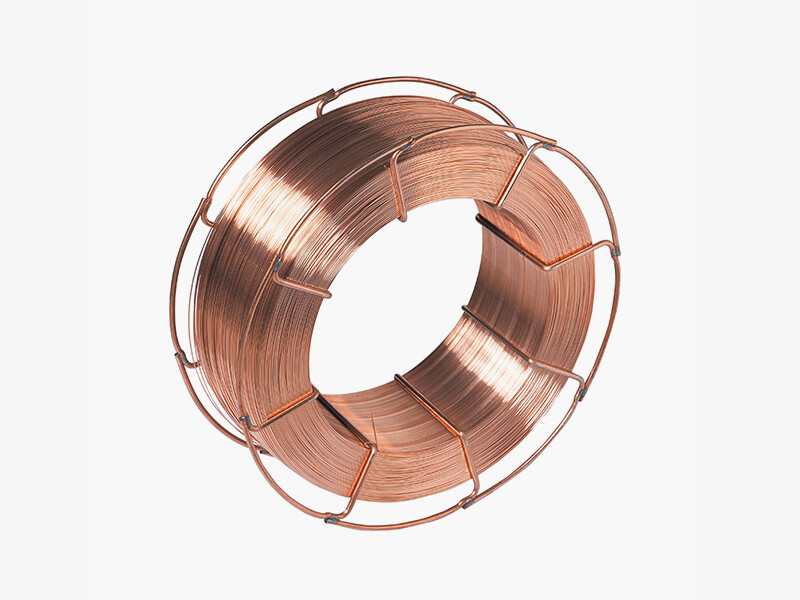
Preheating is essential for welding high-grade or thicker low-alloy steel components. The preheating temperature depends on factors such as the steel's hardenability, plate thickness, degree of restraint, and hydrogen content. It should be determined based on specific project conditions and testing. Recommended preheating temperatures are for reference only.
Preheating the workpiece before welding with submerged arc wire plays a key role in preventing cracks, reducing the cooling rate of the weld and heat-affected zone, and reducing welding stress. However, preheating can worsen working conditions and complicate the production process. Whether preheating is necessary for welding low-alloy steel structures depends on production time and weldability test results.
Generally speaking, preheating is necessary when the carbon content of the base metal is at least 0.35%, and it is mandatory when the carbon content is at least 0.45%. Considering plate thickness, low-alloy steel with a tensile strength of 500-550 MPa should be preheated to at least 100°C when the plate thickness exceeds 25mm. Considering the ambient temperature during welding, preheating is necessary when the plate temperature is below 0°C. In this case, the area within 80mm of the weld can be heated to approximately 150°C.
In short, preheating is essential in some welding processes. It is recommended that you familiarize yourself with the above preheating information.
RECENT NEWS
Online Message