


News
NEWS
As indispensable consumables in industrial production, welding materials have a wide and diverse range of applications, encompassing everything from everyday items to high-end technology products. These materials not only perform the basic functions of connection and fixing, but also play a vital role in improving product quality, extending service life, and promoting technological advancement.
1. Automotive Manufacturing
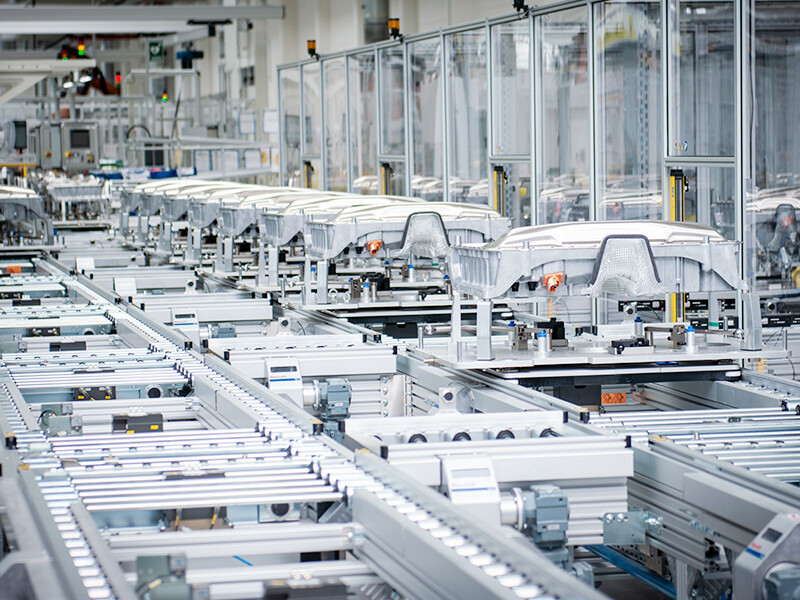
The application of welding materials is particularly critical in the automotive manufacturing industry. With increasing demands for lightweight and safety performance in automobiles, new materials such as high-strength steel and aluminum alloys are widely used in vehicle body manufacturing. Laser welding machines, a key piece of equipment in modern automobile production lines, use precise laser beams to achieve seamless joining of materials, improving the strength and rigidity of the vehicle body while optimizing its structure and reducing fuel consumption. Furthermore, welding materials such as welding wire and welding rods are also widely used in automotive manufacturing, in processes such as body welding and chassis assembly.

2. Electronics Industry
Welding materials are also widely used in the electronics industry. Solder paste, one of the most commonly used welding materials in surface mount technology (SMT) processing, is primarily used for soldering components with fine pitches, such as chip capacitors and chip resistors. Solder is printed onto PCB pads using a stencil and then soldered through a reflow process, ensuring precise connections between electronic components. Furthermore, solder materials such as solder wire and solder balls also play a vital role in the manufacture and repair of electronic equipment. Solder wire is primarily used in manual or wave soldering for larger components, while solder balls are primarily used in advanced packaging technologies such as BGA packaging to ensure stable connections for high-performance, high-density electronic devices.
3. Aerospace and Nuclear and Hydropower
The use of welding materials is particularly crucial in high-end industries such as aerospace, nuclear, and hydropower. These industries place extremely high demands on the performance and quality of welded joints, requiring welding materials with high strength, high corrosion resistance, and excellent fatigue resistance. For example, alloy welding wires such as stainless steel and nickel-based wire are widely used in the welding of critical components such as aircraft engines and rocket engines. Furthermore, in the manufacture of nuclear and hydropower equipment, the selection of welding materials must strictly adhere to industry standards and technical specifications to ensure equipment safety and reliability.
4. Other Fields
In addition to the aforementioned fields, welding materials are also widely used in a variety of fields, including construction, petrochemicals, marine engineering, and jewelry manufacturing. In construction, welding materials are used in processes such as steel structure connection and pipeline welding. In the petrochemical industry, welding materials are used in the manufacture and maintenance of equipment such as oil refining equipment and chemical storage tanks. In marine engineering, welding materials must possess excellent resistance to seawater corrosion. In jewelry manufacturing, welding materials are used for connecting and repairing metal jewelry.
In summary, the application scenarios of welding materials are broad and diverse, and their importance is self-evident. With the continuous advancement of science and technology and the rapid development of industry, the technical level and application areas of welding materials will continue to expand and improve.
RECENT NEWS
Online Message